
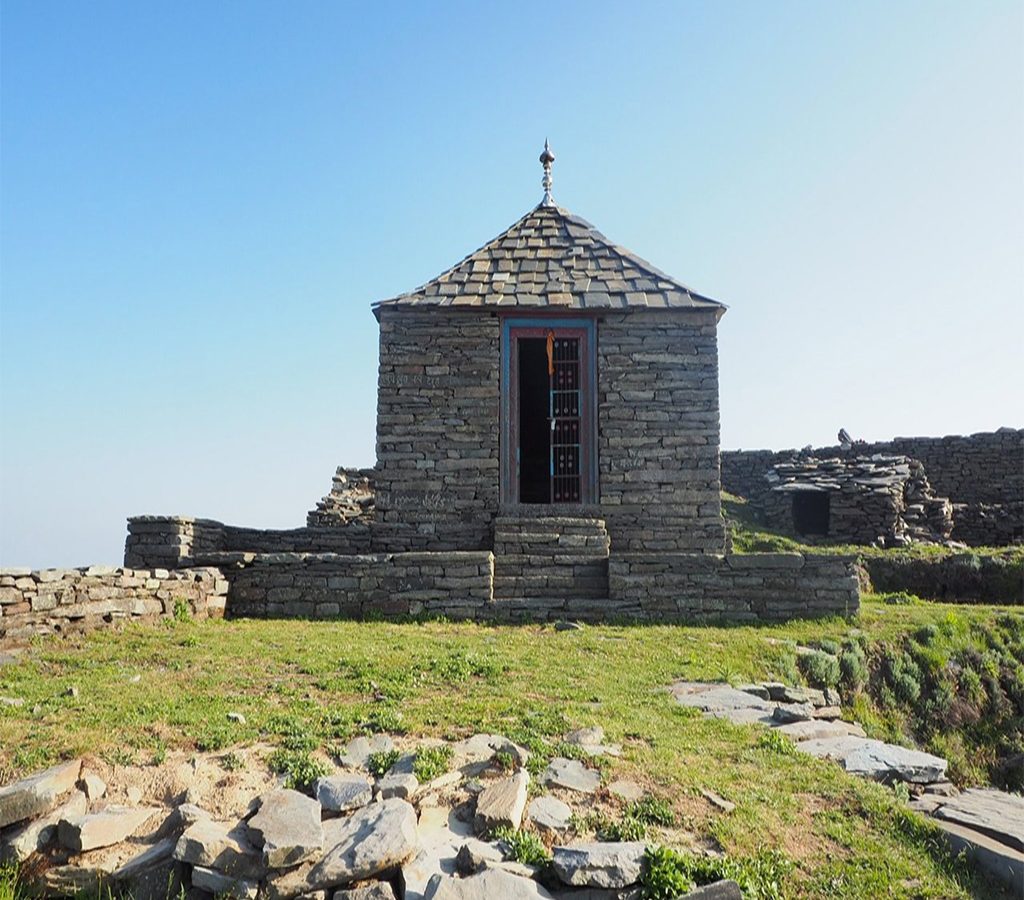
Tucked away in the heart of Himachal Pradesh, Jalori Pass is one of those places that feels straight out of a postcard — untouched, serene, and breathtakingly beautiful. Situated at an altitude of around 10,800 feet (3,120 meters) above sea level, this mountain pass connects Kullu Valley with the Shimla district, offering travelers a perfect blend of adventure and peace.
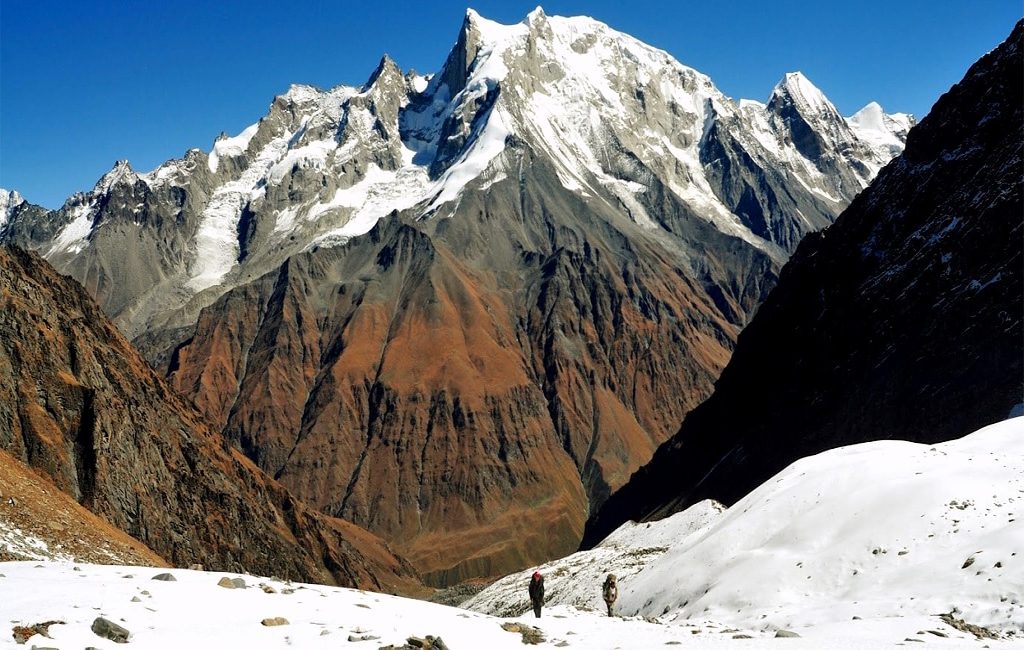
Surrounded by tall pine forests, rolling meadows, and snow-draped peaks in winter, Jalori Pass stands as a gateway to some of Himachal’s most scenic spots — Jibhi, Shoja, Tirthan Valley, and Serolsar Lake. Unlike the more commercialized tourist hubs like Manali or Shimla, Jalori Pass retains its raw charm, making it a paradise for trekkers, bikers, and nature lovers alike.
Whether you’re planning a short road trip from Delhi or a peaceful weekend getaway from Chandigarh, Jalori Pass promises unforgettable mountain views, crisp air, and moments of solitude far from the city rush. The pass also holds cultural significance with nearby temples and local legends that add a mystical touch to its scenic beauty.
From snow-laden winters to flower-filled summers, every season brings out a different side of Jalori Pass — and that’s what makes it one of the most rewarding destinations in Himachal’s travel circuit.
History & Significance
Cultural Importance in Himachal’s Travel Circuit
Jalori Pass has long been an important route in Himachal Pradesh, connecting two of the state’s most stunning regions — Kullu Valley and the Shimla district. For centuries, this mountain pass served as a vital link for local villagers, traders, and shepherds who moved between the valleys with their flocks. Even today, it remains a cherished pathway for travelers exploring the lesser-known beauty of Himachal.
Culturally, Jalori Pass holds a special place in the hearts of the locals. The area around the pass is dotted with ancient temples and small shrines, which reflect the deep spiritual connection the mountain communities share with nature. The entire region exudes a peaceful aura that blends adventure with devotion, making it a unique stop for both trekkers and pilgrims.
Local Legends and the Budhi Nagin Temple
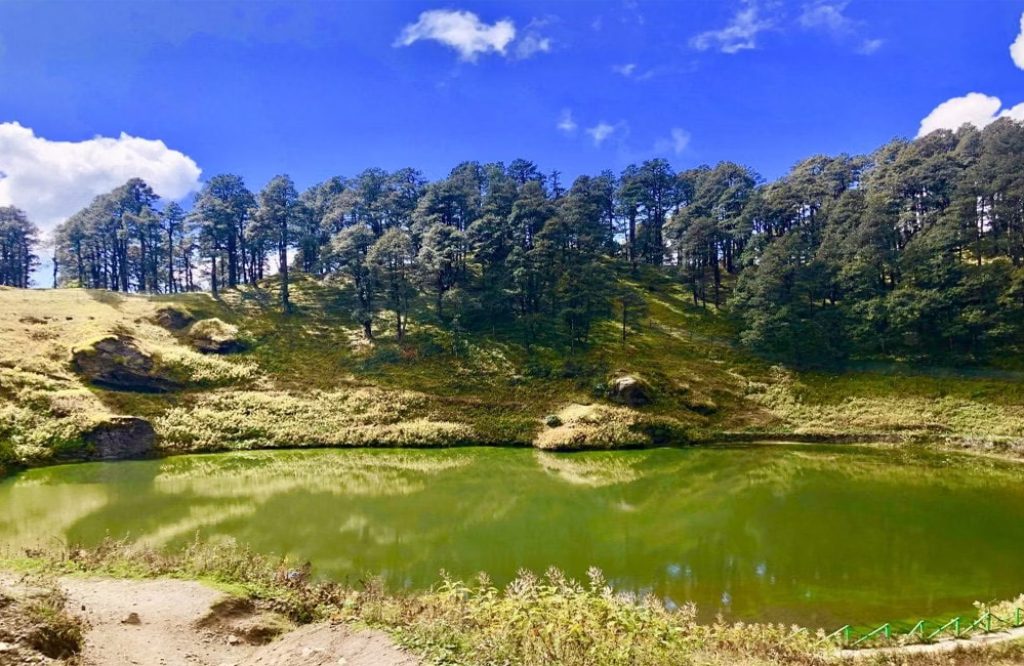
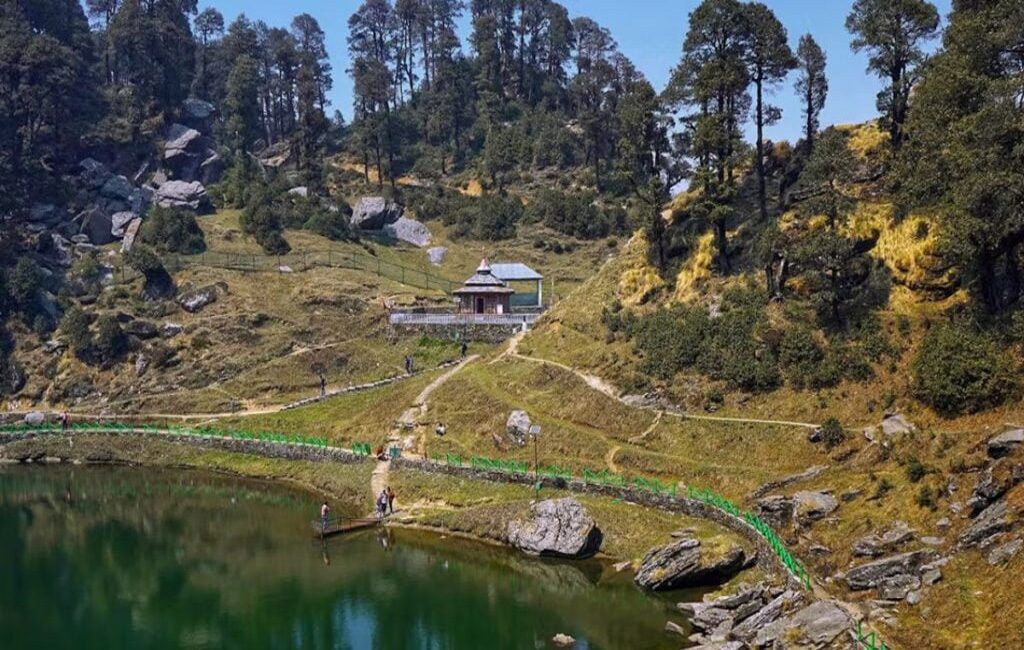
Just a few kilometers from Jalori Pass lies Serolsar Lake, a sacred high-altitude lake surrounded by thick oak and pine forests. According to local legend, the lake is protected by Budhi Nagin, an ancient goddess revered by nearby villages. It is believed that she lives in the depths of the lake and guards it from any harm — even a single leaf is said to not fall into its crystal-clear waters.
The Budhi Nagin Temple, located near Serolsar Lake, is dedicated to this goddess. Pilgrims and trekkers alike visit the temple to offer prayers and seek blessings for safe travels. During local festivals, the temple becomes a hub of celebration where traditional Himachali songs and rituals are performed.
These tales and traditions give Jalori Pass a mystical charm that goes beyond its scenic landscapes. It’s not just a destination — it’s a living story of faith, folklore, and mountain life.
Role in Connecting Kullu and Shimla Districts
Geographically, Jalori Pass acts as a crucial mountain corridor that links Kullu and Shimla districts through the Banjar Valley. The pass lies on the route connecting Shoja and Ani, making it a key connector for both locals and travelers heading between these regions.
During the summer months, the road through Jalori Pass becomes a lifeline for villages scattered across the hills, allowing trade, tourism, and cultural exchange to thrive. However, in winter, heavy snowfall often closes the route, isolating some high-altitude villages — adding both challenge and allure to the journey.
Today, Jalori Pass is not just a road between two districts but a symbol of Himachal’s rugged beauty and resilience, where the mountains tell stories of survival, spirituality, and serenity.
Geography & Location
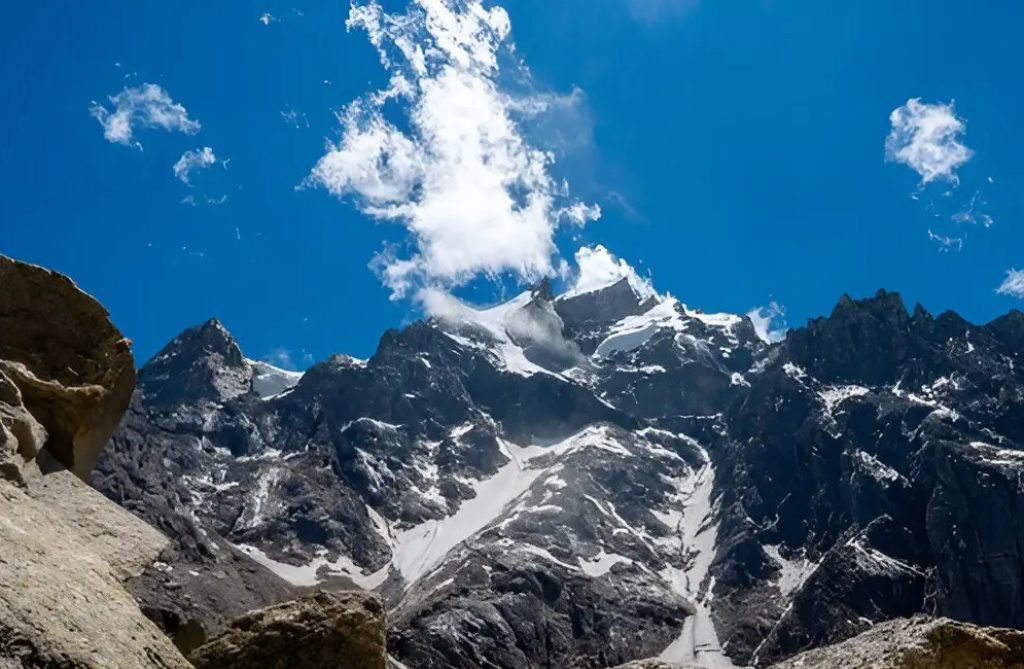
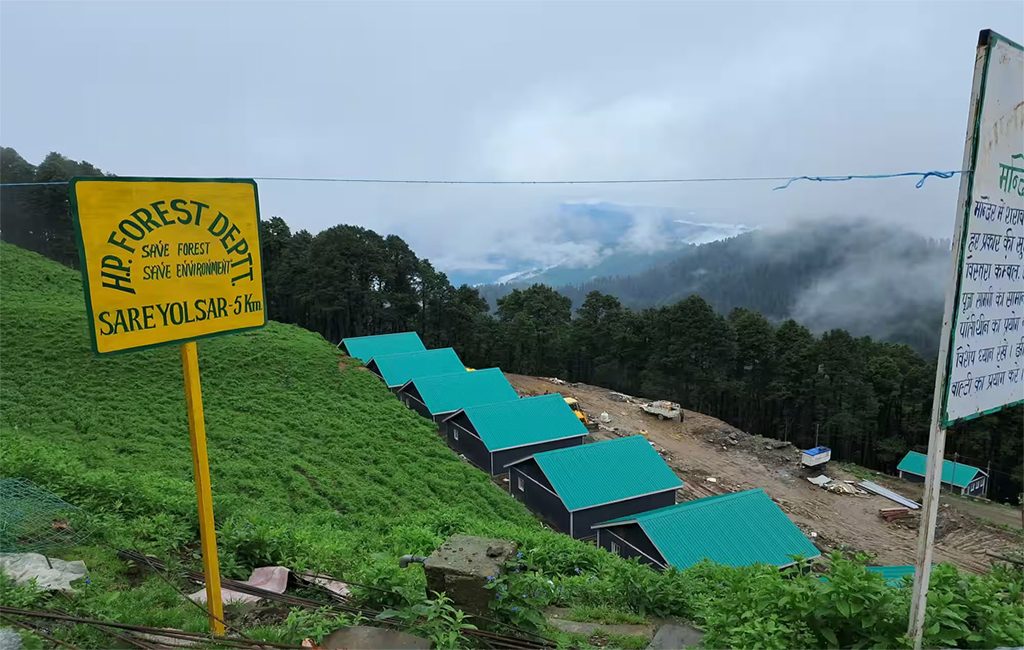
Nestled deep in the Seraj Valley of Himachal Pradesh, Jalori Pass sits at an elevation of approximately 10,800 feet (3,120 meters) above sea level. It lies between the districts of Kullu and Shimla, acting as a natural mountain gateway that connects the lush Kullu Valley with the quieter, forested slopes of Ani and Rampur in the Shimla region.
The pass is located along the Banjar–Ani road, which is part of the National Highway 305 (NH305) — a scenic yet challenging mountain route. This road winds through dense pine, cedar, and oak forests, offering some of the most picturesque drives in northern India. The views change dramatically with altitude — from apple orchards and terraced fields in the lower valleys to snow-dusted peaks and alpine meadows near the top.
Exact Location Details
Surrounding Landscape
Nearby Destinations
Exact Location Details
- State: Himachal Pradesh, India
- District Boundary: Between Kullu and Shimla
- Coordinates: Approx. 31.44° N latitude, 77.35° E longitude
- Altitude: Around 10,800 ft (3,120 m) above sea level
- Nearest Towns: Jibhi (12 km), Shoja (5 km), Banjar (18 km)
Surrounding Landscape
The landscape around Jalori Pass is incredibly diverse. On one side, the slopes descend into the Banjar and Tirthan Valleys, known for their pine forests and trout-filled rivers. On the other side, winding roads lead to Ani, dotted with apple orchards and traditional Himachali villages.
During summer, the area bursts with wildflowers and green pastures that attract trekkers and photographers. In winter, the same route transforms into a snow-covered paradise, often closed to traffic but open to those seeking adventure on foot or by 4×4 vehicles.
Nearby Destinations
Jibhi: A charming mountain village popular for its homestays and waterfalls.
Shoja: Known for panoramic valley views and wooden architecture.
Serolsar Lake: A 5 km trek from Jalori Pass through rhododendron and oak forests.
Tirthan Valley: A UNESCO-listed eco-zone of the Great Himalayan National Park, just a short drive away.
Together, these destinations form the “Jalori Circuit”, one of the most scenic travel routes in Himachal Pradesh, combining nature, adventure, and peace in one unforgettable journey.
How to Reach Jalori Pass
Reaching Jalori Pass is an adventure in itself — the journey winds through thick pine forests, rustic villages, and steep mountain curves that offer stunning views at every turn. The pass is well connected by road to all major North Indian cities, though the final stretch requires careful driving due to sharp turns and narrow hill roads.
The pass is located about 12 km from Jibhi, 5 km from Shoja, and roughly 150 km from Manali. Travelers can choose to drive, hire a taxi, or take local buses that connect nearby towns and valleys.
By Road
By Train
By Air
By Trek
By Road
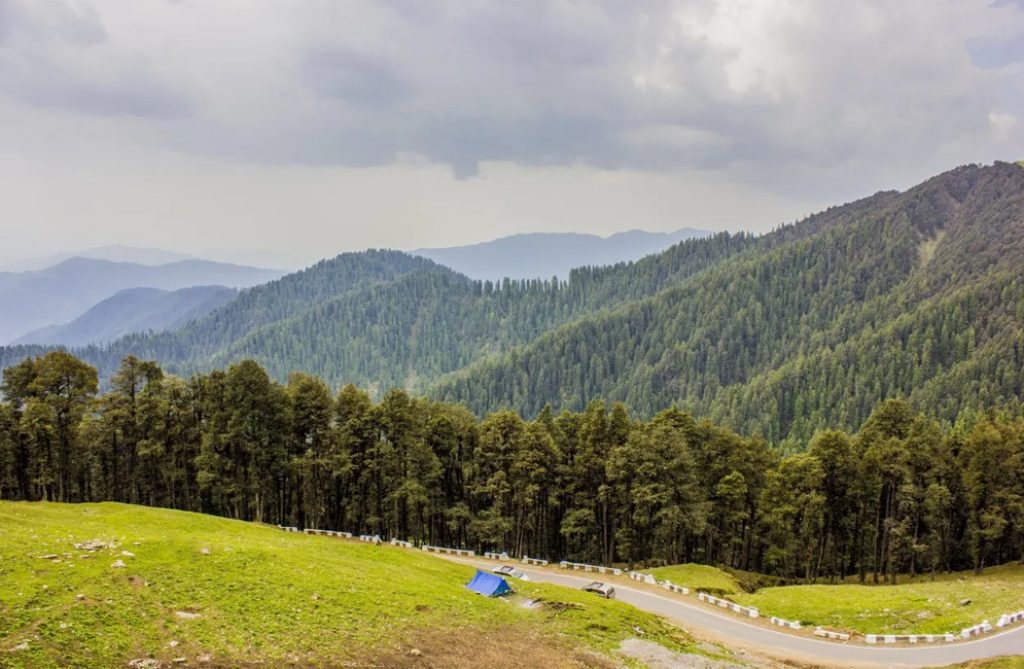
Jalori Pass by road is the most convenient and scenic option. The routes vary based on your starting point:
From Delhi (≈500 km / 12–13 hours)
- Route: Delhi → Chandigarh → Bilaspur → Mandi → Aut → Banjar → Jibhi → Shoja → Jalori Pass
- This is the most popular route for road trippers and bikers. The roads are well maintained up to Jibhi, after which the climb to Jalori Pass becomes steeper and narrower.
From Chandigarh (≈270 km / 8–9 hours)
- Route: Chandigarh → Bilaspur → Mandi → Aut → Banjar → Shoja → Jalori Pass
- Ideal for a weekend drive. The roads are smooth, and several scenic homestays are available en route.
From Manali (≈150 km / 6–7 hours)
- Route: Manali → Kullu → Aut → Banjar → Shoja → Jalori Pass
- The drive from Manali is shorter but includes a steep ascent. Perfect for adventure bikers and those exploring Tirthan Valley.
Travel Tip: The road beyond Shoja becomes very steep and often icy in winter. It’s best to check road conditions and weather forecasts before traveling, especially between December and March.
By Train
There is no direct train to Jalori Pass. The nearest railway stations are:
- Shimla Railway Station (150 km away) – narrow gauge line from Kalka.
- Chandigarh Railway Station (270 km away) – best for those coming from Delhi or other metro cities.
From either station, you can hire a cab or take a bus towards Banjar or Jibhi, and continue the journey by road.
By Air
The nearest airports are:
- Bhuntar Airport, Kullu (90 km away) – the closest airport with limited flights.
- Chandigarh Airport (270 km away) – better flight connectivity from Delhi, Mumbai, and other cities.
From Bhuntar, taxis and shared cabs are easily available to Banjar Valley, from where Jalori Pass is a short drive.
By Trek
For adventure enthusiasts, trekking to Jalori Pass is a thrilling experience. You can start from Jibhi or Shoja, with the route taking you through thick deodar forests, wildflowers, and mountain streams. The moderate-level trek takes around 2–3 hours and rewards you with panoramic views of snow-capped Himalayan peaks.
Many travelers also combine the Jalori Pass trek with a short hike to Serolsar Lake (5 km) — a sacred and scenic spot ideal for nature photography and meditation.
Best Time to Visit Jalori Pass
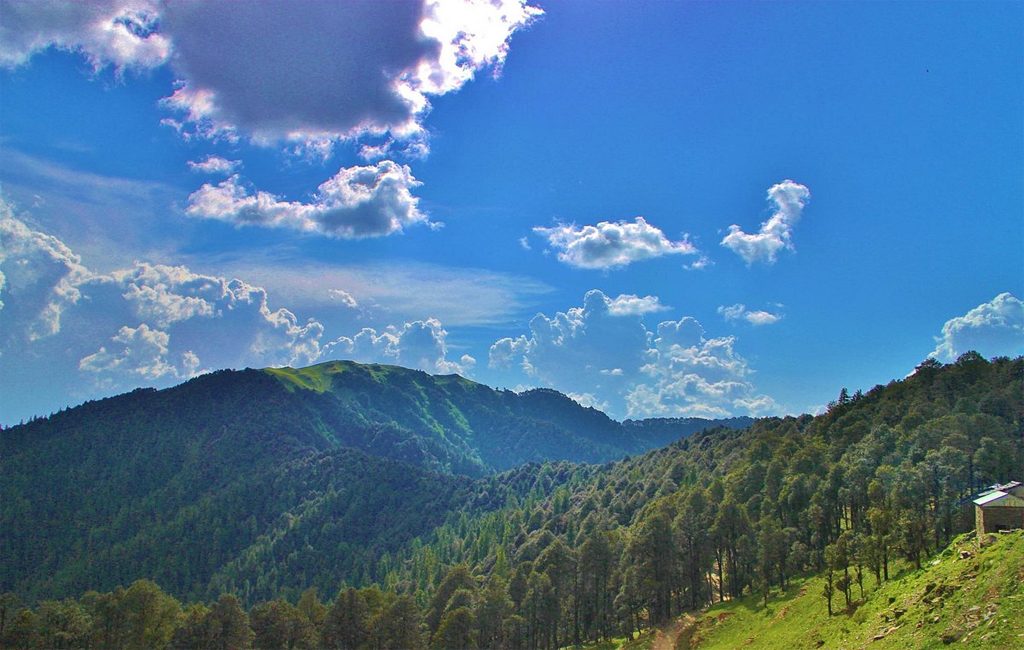
Choosing the best time to visit Jalori Pass depends on what kind of experience you want — lush green meadows, blooming flowers, or snow-covered trails. Each season brings a completely different charm to this scenic mountain pass, but accessibility also changes drastically with the weather.
Located at an altitude of 10,800 feet, Jalori Pass remains closed for several months during peak winter due to heavy snowfall. The ideal time to visit is between April and November, when the weather is pleasant, roads are open, and the surrounding valleys are alive with color.
- Best time for tourists: April to June, September to November
- Best for trekking & nature: May–June
- Best for snow lovers: December–January (only till Shoja or Jibhi)
Summer
Monsoon
Winter
Summer
- Temperature: 10°C to 20°C
- Highlights: Clear skies, colorful valleys, and safe roads
During the summer months, Jalori Pass transforms into a paradise for nature lovers and trekkers. The snow melts, revealing vibrant green meadows, blooming rhododendrons, and majestic Himalayan views. The weather remains pleasantly cool, making it ideal for activities like trekking to Serolsar Lake, camping, and biking.
The Jibhi–Shoja–Jalori route is fully operational during this season, and homestays in the surrounding villages are in full swing. This is also the best time for photography, as the visibility is crystal clear and the valleys look postcard-perfect.
Tip: Early mornings and late evenings can still be chilly — carry light woolens even in summer.
Monsoon
- Temperature: 12°C to 18°C
- Highlights: Misty landscapes, waterfalls, and fewer tourists
Monsoon paints the Jalori Pass region in deep shades of green. The forests become denser, and small waterfalls appear along the roadside. While it’s visually stunning, travelers should be cautious — heavy rainfall can cause landslides and make driving difficult on mountain roads.
If you’re an offbeat traveler who loves peace, solitude, and misty mountain vibes, monsoon visits can be magical — but always check road and weather updates before heading up.
Winter
- Temperature: -5°C to 10°C
- Highlights: Snowfall, frozen lakes, adventure treks
Winter brings a completely different look to Jalori Pass. By late November, the pass starts receiving heavy snowfall, and the roads are often closed from December to March. For those who love snow trekking or photography, visiting during early winter (October–November) can be an unforgettable experience.
The snow-covered landscapes around Shoja and Jibhi look like a fairytale, but access to the top of Jalori Pass can be restricted. During this period, tourists usually stay in Jibhi or Tirthan Valley and trek part of the route on foot.
Travel Advisory: Avoid driving in heavy snow unless you have a 4×4 vehicle and local guidance.
Jalori Pass Weather & Temperature
Perched at an altitude of around 10,800 feet (3,120 meters), Jalori Pass experiences classic Himalayan mountain weather — unpredictable, dramatic, and ever-changing. The climate here varies significantly through the year, from pleasant summers to snow-covered winters, offering travelers a different kind of experience in every season.
Since the pass lies between Kullu Valley and Shimla district, the weather is cooler compared to nearby regions like Jibhi, Shoja, and Tirthan Valley. Even in summer, temperatures rarely rise above 20°C, while winters can drop below freezing.
Summer Weather (April – June)
Monsoon Weather (July – September)
Winter Weather (October – February)
Snowfall at Jalori Pass
Summer Weather (April – June)
-Temperature Range: 8°C to 20°C
-Weather: Cool and comfortable
-Conditions: Clear skies, bright sunshine, ideal for travel and trekking
Summers are considered the best weather window for Jalori Pass. The snow melts, revealing green pastures, wildflowers, and panoramic Himalayan views. Days are mildly warm, while evenings are cool enough to need a jacket. This is the perfect season for outdoor activities like trekking to Serolsar Lake, camping, or simply driving through the scenic NH305 route.
Pro Tip: UV rays are strong at high altitudes — carry sunscreen and sunglasses even if it feels cool.
Monsoon Weather (July – September)
-Temperature Range: 10°C to 18°C
-Weather: Misty, cloudy, and rainy
-Conditions: Frequent rainfall and slippery roads
During the monsoon, Jalori Pass is covered in thick mist and lush greenery. The valley looks ethereal, but heavy rain can trigger landslides or road closures along the Shoja–Jibhi stretch. Trekking and biking during this season can be challenging but rewarding for those who enjoy solitude and dramatic mountain scenery.
Caution: Always check local weather reports before traveling during monsoon. Carry rain protection and avoid night driving.
Winter Weather (October – February)
-Temperature Range: -5°C to 10°C
-Weather: Cold, snowy, and often windy
-Conditions: Heavy snowfall; road remains closed for 3–4 months
Winter completely transforms Jalori Pass into a white wonderland. From late November, the region starts receiving heavy snowfall, and by December, the pass is officially closed for vehicles. However, adventure enthusiasts can trek up to the pass from Shoja or Jibhi, experiencing the snow-covered beauty on foot.
Even during the coldest months, the skies are crystal clear, offering spectacular sunrise and sunset views over the Dhauladhar and Pir Panjal ranges.
Travel Note: The temperature can drop to -5°C or lower at night — pack heavy winter gear, snow boots, and gloves.
Snowfall at Jalori Pass
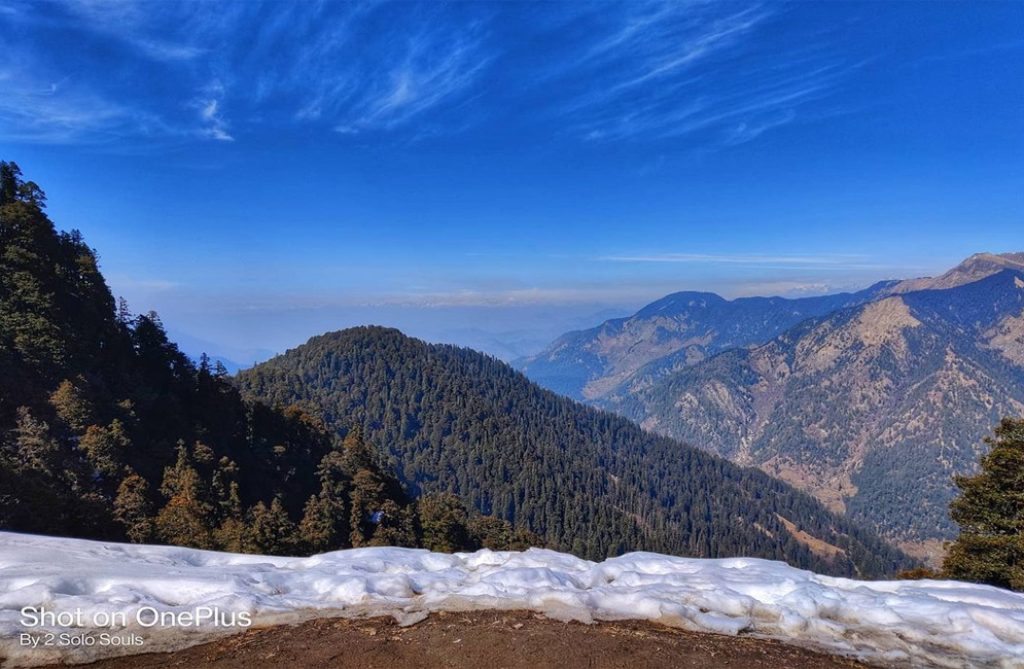
Snowfall at Jalori Pass generally begins by late November and continues till February or early March. The snow cover can reach several feet, turning the area into a playground for snow trekkers and photographers.
The pass usually reopens in April, once the roads are cleared. Until then, Shoja and Jibhi serve as base points for those wanting to experience the snow without going all the way to the top.
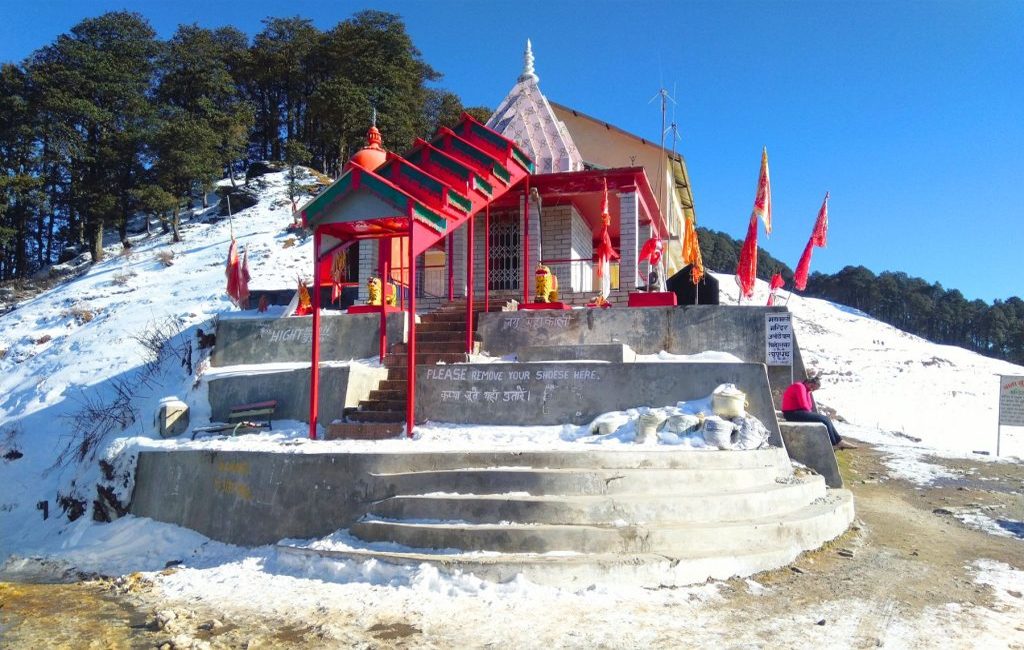
Things to Do at Jalori Pass
Jalori Pass isn’t just a mountain road—it’s an experience packed with nature, adventure, and peace. Whether you’re a hiker, photographer, or simply a mountain lover, this pass offers plenty to fill your day with unforgettable memories.
1. Trek to Serolsar Lake
The Serolsar Lake Trek is the most famous activity at Jalori Pass. The 5 km trail begins right from the top of the pass and winds through dense forests of oak, pine, and rhododendron.
-Trek Duration: 1.5–2 hours (one way)
-Difficulty: Easy to moderate
-Highlights: Panoramic mountain views, colorful wildflowers, and the sacred Budhi Nagin Temple by the lake.
Locals believe Budhi Nagin is the guardian goddess of the region, and her blessings protect the travelers who pass through Jalori.
2. Short Hike to Raghupur Fort
3. Capture Stunning Panoramic Views
4. Enjoy an Offbeat Mountain Drive
5. Relax in a Shoja or Jibhi Homestay
2. Short Hike to Raghupur Fort
For adventure seekers, a trek to Raghupur Fort (around 3 km from Jalori Pass) is a must. Though the fort now lies in ruins, it offers 360° views of the Dhauladhar and Kinnaur ranges.
-Best Time: Early morning or before sunset
-Special Tip: Carry water and light snacks—there are no shops along the trail.
The open meadows near the fort are perfect for a picnic or drone photography.
3. Capture Stunning Panoramic Views
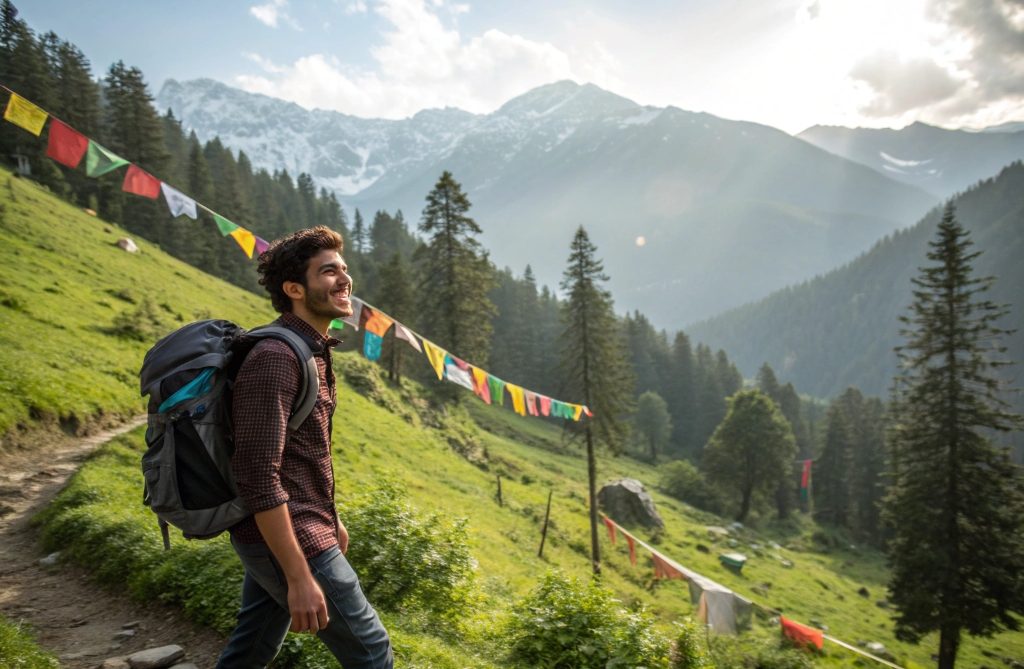
Jalori Pass is one of the most photogenic mountain routes in Himachal Pradesh. On a clear day, you can spot snow-capped peaks in the distance, while prayer flags flutter in the wind around the main viewpoint.
-Pro Tip: Early morning and late evening light is best for photos.
-Winter Bonus: Snow blankets the region, creating postcard-perfect shots.
4. Enjoy an Offbeat Mountain Drive
If you love scenic drives, the NH305 route via Jalori Pass is a thrill. The curvy roads, narrow bends, and breathtaking landscapes make it one of the best offbeat drives in North India.
-Route Suggestion: Shoja → Jalori Pass → Jibhi → Tirthan Valley
-Best For: Road trip lovers, bikers, and off-road drivers
However, it’s best to avoid the route during heavy snowfall, as roads can become slippery or blocked.
5. Relax in a Shoja or Jibhi Homestay
After your adventure, unwind in the peaceful mountain villages near the pass. Shoja and Jibhi offer cozy wooden homestays with local Himachali food and scenic balcony views.
Experience: Bonfires, local cuisine, stargazing
Don’t Miss: Trout fish curry, Siddu (steamed Himachali bread), and herbal tea.
Staying in these villages also helps you experience authentic Himachali hospitality and rural life.
6. Meditation & Forest Walks
7. Visit Local Temples
8. Explore Tirthan Valley & Great Himalayan National Park
9. Experience Local Festivals
6. Meditation & Forest Walks
For those seeking calm and solitude, Jalori Pass offers numerous forest trails perfect for meditation or mindful walks. The scent of pine and the whispering breeze through tall deodars create an atmosphere of pure serenity—ideal for disconnecting from city life.
7. Visit Local Temples
While the Budhi Nagin Temple near Serolsar Lake is the most well-known, several smaller shrines and sacred stones dot the area. These temples reflect the spiritual essence of Himachal’s highlands, where every peak and tree is believed to be divine.
8. Explore Tirthan Valley & Great Himalayan National Park
Extend your trip beyond Jalori Pass by visiting the nearby Tirthan Valley, a UNESCO World Heritage Site. The Great Himalayan National Park (GHNP) is home to diverse flora and fauna including snow leopards, Himalayan blue sheep, and rare pheasants.
-Activities: Trekking, camping, fishing, birdwatching
-Distance from Jalori Pass: ~25–30 km
9. Experience Local Festivals
If you visit during the summer or post-monsoon season, you might catch local Himachali fairs or temple festivals. These events feature traditional music, folk dances, and community feasts—a vibrant display of mountain culture.
Nearby Attractions & Places to Visit from Jalori Pass
Jalori Pass is more than just a mountain crossing — it’s the gateway to some of Himachal Pradesh’s most scenic and peaceful getaways. Whether you love serene lakes, hidden villages, or heritage trails, the region around Jalori offers plenty of unforgettable spots to explore.
1. Serolsar Lake (5 km from Jalori Pass)
A short trek from the top of Jalori Pass leads to Serolsar Lake, a shimmering oval-shaped lake surrounded by dense oak and pine forests.
- Highlight: The sacred Budhi Nagin Temple, believed to protect the lake’s waters.
- Best Time to Visit: May to October
- Experience: Gentle forest trek, mythological charm, and peaceful lake views
The trail to Serolsar is one of the most scenic short treks in Himachal — perfect for nature lovers and beginner hikers.
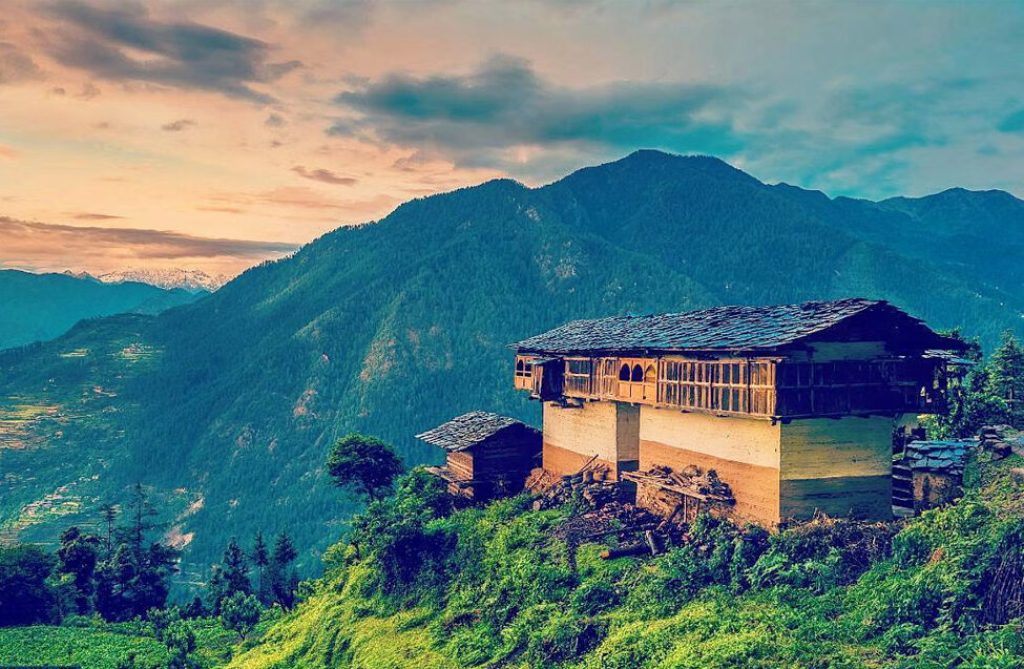
2. Raghupur Fort (3 km from Jalori Pass)
3. Shoja (5 km away)
4. Jibhi (12 km away)
5. Tirthan Valley (30 km from Jalori Pass)
2. Raghupur Fort (3 km from Jalori Pass)
Another popular trek from Jalori Pass is the hike to Raghupur Fort, built by the rulers of Mandi. Although only ruins remain today, the site offers breathtaking 360° views of the snow-capped Himalayas.
- Trek Duration: Around 1 hour (one way)
- Best For: Sunrise or sunset hikes
- Fun Fact: The open meadow at the top is a natural amphitheater surrounded by towering peaks.
3. Shoja (5 km away)
A tranquil mountain village, Shoja is known for its peaceful ambiance, wooden architecture, and dense deodar forests.
- Highlights: Jalori view point, forest walks, and hidden waterfalls
- Experience: Stay in cozy wooden cottages or homestays with local Himachali food.
- Tip: Visit during spring or early summer when the apple orchards are in full bloom.
4. Jibhi (12 km away)
Jibhi has become a traveler’s favorite for its blend of modern cafes and old-world Himachali charm.
- Highlights: Jibhi Waterfall, Mini Thailand (natural pool area), and Tandi village
- Things to Do: Trout fishing, riverside camping, café-hopping
- Vibe: Calm, bohemian, and perfect for digital detox stays
5. Tirthan Valley (30 km from Jalori Pass)
Known as the gateway to the Great Himalayan National Park, Tirthan Valley is a paradise for trekkers and wildlife lovers.
- Activities: Trekking, birdwatching, trout fishing, and riverside camping
- UNESCO Status: Part of the Great Himalayan National Park Conservation Area
- Must-Visit Spots: Gushaini, Rolla trek, and Tirthan river trail
This valley is one of the most eco-friendly travel destinations in Himachal — ideal for those who want to connect with nature.
6. Banjar (18 km away)
7. Chehni Kothi (20 km from Jalori Pass)
8. Great Himalayan National Park (GHNP)
9. Ani & Khanag Villages
10. Saryolsar Meadows & Forest Trails
6. Banjar (18 km away)
The bustling small town of Banjar serves as the entry point to both Jibhi and Tirthan Valley.
- Attractions: Banjar Market, Chaini Kothi (an ancient Himachali fort tower), and local temples
- Why Visit: To explore local life, wooden architecture, and traditional Himachali cuisine.
7. Chehni Kothi (20 km from Jalori Pass)
An ancient tower temple built in Kath-Kuni (wood and stone) style, Chehni Kothi is one of the most striking heritage structures near Jalori Pass.
- Trek Distance: About 1.5 km from the nearest road point
- Highlight: 45-meter-tall structure dedicated to Lord Shringa, protector deity of the region
- Experience: Blend of architecture, history, and mythology
8. Great Himalayan National Park (GHNP)
Just beyond Tirthan Valley lies the Great Himalayan National Park, a UNESCO World Heritage Site renowned for its biodiversity.
- Activities: Multi-day treks (Rolla, Shilt Hut, Rangthar), camping, and wildlife photography
- Flora & Fauna: Over 375 species of fauna including snow leopards, Himalayan tahr, and monals
- Travel Tip: Entry requires a permit from the GHNP office in Sai Ropa or Sharchi.
9. Ani & Khanag Villages
On the southern side of Jalori Pass lie Ani and Khanag, two quaint villages known for their apple orchards and old temples.
- Highlights: Rural Himachali culture, traditional homes, and untouched landscapes
- Why Visit: Less crowded than Jibhi, ideal for slow travel and photography
10. Saryolsar Meadows & Forest Trails
Hidden just beyond the Serolsar Lake trek are open alpine meadows that come alive during late summer with wildflowers and grazing sheep. These meadows provide perfect spots for camping, stargazing, or simply relaxing under the clear mountain sky.
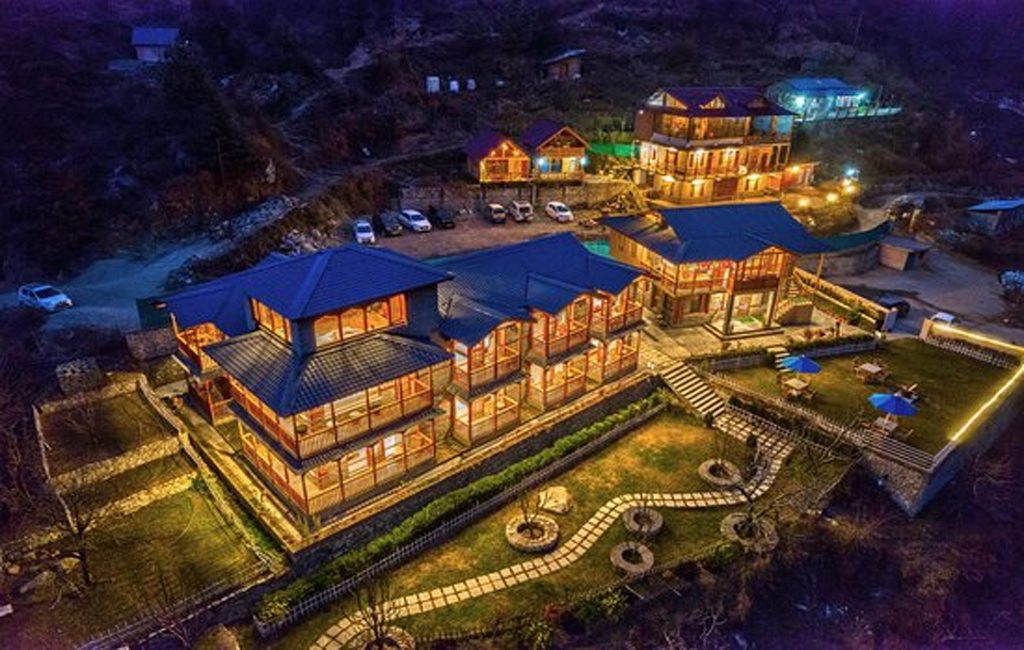
Accommodation Options near Jalori Pass (Hotels, Homestays & Camps)
Finding the right place to stay around Jalori Pass can completely transform your mountain experience. While there are no major hotels at the top of the pass itself, the nearby villages of Shoja, Jibhi, Banjar, and Tirthan Valley offer a wide range of options — from rustic wooden cottages to luxury glamping sites surrounded by nature.
Budget Hotels & Guesthouses
For those on a tight budget or road trippers seeking a quick stop, you’ll find affordable guesthouses along the Banjar–Jalori–Ani route.
Best Areas: Banjar town, Shoja market, and Khanag
Facilities: Basic rooms, parking, local food, and Wi-Fi (in some places)
Average Tariff: ₹1,000–₹2,000 per night.
Homestays in Shoja – Peaceful & Authentic
Riverside Stays in Jibhi
Eco-Lodges in Tirthan Valley
Camping near Jalori Pass
Budget Hotels & Guesthouses
Homestays in Shoja – Peaceful & Authentic
If you wish to stay close to Jalori Pass, Shoja (around 5 km away) is the most convenient base.
Homestays here offer cozy wooden interiors, home-cooked Himachali food, and warm hospitality — all with breathtaking valley views.
Ideal For: Couples, solo travelers, and those seeking a quiet retreat
Popular Options:
- The Pine Trails Shoja
- Banjara Retreat Shoja
- The Hosteller Shoja
Experience: Bonfires, apple orchards, and traditional meals like Siddu and Rajma-Chawal
Tip: Choose a stay with a balcony view — the sunrise over the Jalori hills is unforgettable.
Riverside Stays in Jibhi
Jibhi, located about 12 km from Jalori Pass, is a traveler’s paradise. The village has become one of Himachal’s trendiest offbeat destinations, known for its riverside cafés, treehouses, and Instagram-perfect cottages.
Ideal For: Backpackers, digital nomads, and budget travelers
- Popular Stays:
- Treehouse Stay Jibhi
- Latoda Homestay
- Jibhi Heaven Camps & Café
Special Experience: Enjoy trout fish barbecue and riverside yoga sessions.
Eco-Lodges in Tirthan Valley
For those who want to immerse themselves in untouched nature, Tirthan Valley (30 km from Jalori Pass) offers eco-lodges and boutique stays inside the Great Himalayan National Park buffer zone.
Ideal For: Nature lovers, trekkers, and families
- Recommended Stays:
- Raju Bharti’s Homestay (Gushaini)
- Tirthan Valley Riverside Resort
- Gone Fishing Cottages
Highlights: Fishing, birdwatching, guided treks, and sustainable tourism.
Camping near Jalori Pass
If you crave adventure, camping near Jalori Pass is an incredible experience — especially during summer. Campgrounds are set up in Shoja, Khanag, and Serolsar Lake trail zones.
Ideal For: Adventure travelers and photographers
Activities: Bonfire nights, star gazing, short treks, and local storytelling
- Suggested Camps:
- Camp Himalayan Shoja
- Jalori Pass Adventure Camps
- Serolsar Eco Camp
Travel Tip: Carry warm clothes — even in summer, nights can be quite cold at high altitude.
Budget Hotels & Guesthouses
For those on a tight budget or road trippers seeking a quick stop, you’ll find affordable guesthouses along the Banjar–Jalori–Ani route.
Best Areas: Banjar town, Shoja market, and Khanag
Facilities: Basic rooms, parking, local food, and Wi-Fi (in some places)
Average Tariff: ₹1,000–₹2,000 per night
Luxury & Boutique Stays
Homestay Hospitality – The Himachali Way
Luxury & Boutique Stays
While Jalori Pass is more rustic than commercial, a few premium stays in Jibhi and Tirthan cater to those seeking comfort in the mountains.
Top Picks:
- The Hidden Burrow (Jibhi)
- Shivadya Resort & Spa (Manali Route)
- The Whitestone Cottages (Tirthan Valley)
Experience: Modern amenities with nature views, private balconies, and Himachali gourmet meals.
Homestay Hospitality – The Himachali Way
No matter where you stay near Jalori Pass, what truly makes the experience special is Himachali hospitality. Locals treat guests as part of their family — serving homemade food, sharing folk tales, and guiding you through secret trails only they know.
You’ll often leave not just with photos, but with friendships that last a lifetime.
Local Cuisine & Food Experiences near Jalori Pass
A trip to Jalori Pass is incomplete without savoring the warm, hearty flavors of Himachali cuisine. The mountain villages surrounding the pass — Shoja, Jibhi, Banjar, and Tirthan Valley — serve food that reflects the simplicity, warmth, and tradition of the region. From steaming siddu to spicy trout curry, every dish tells a story of the hills.
Don’t Miss the Famous Himachali Trout
If you’re staying near Tirthan or Jibhi, try the Himachali Trout, a local river fish cooked with mild spices and served with rice or mashed potatoes.
-Where to Try: Jibhi Heaven Café, Tirthan Valley Riverside Restaurant, and Shoja Homestays
-Experience: Freshly caught, grilled on a wood fire, and served hot beside a mountain stream.
This delicacy is not just a meal — it’s an authentic part of the region’s mountain culture.
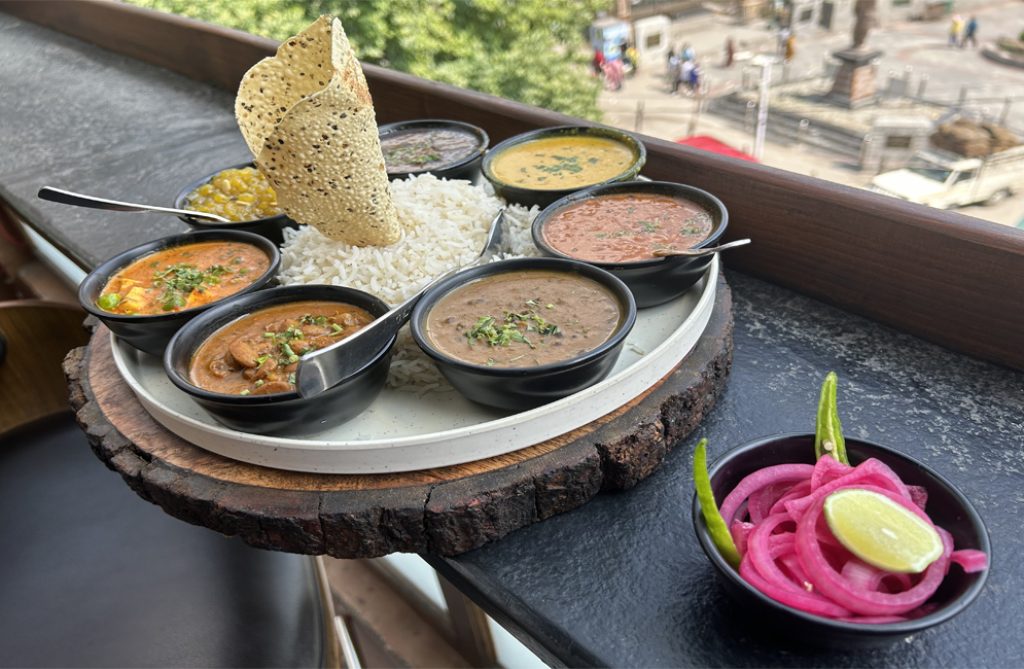
Traditional Himachali Dishes to Try
Café Culture in Jibhi & Shoja
Experience Local Himachali Dham
Traditional Himachali Dishes to Try
The cuisine near Jalori Pass is rustic, filling, and designed to keep you energized in the cold mountain climate. Here are some must-try local delicacies:
Siddu: A steamed wheat bun stuffed with poppy seeds or dry fruits, often served with ghee or chutney.
Chha Gosht: A flavorful mutton curry cooked in a tangy yogurt-based gravy.
Madra: A creamy chickpea or kidney bean curry prepared with curd, ghee, and local spices — a staple during festivals.
Babru: A Himachali version of kachori stuffed with black gram paste, perfect with tamarind chutney.
Thukpa & Momos: Tibetan-inspired dishes widely available in Jibhi and Shoja cafés.
Fun Fact: Most dishes here are cooked on traditional chulhas (mud stoves), giving them a smoky, homely aroma.
Café Culture in Jibhi & Shoja
Jibhi and Shoja have emerged as cozy café hubs for travelers who crave good food with better views.
Popular Spots:
- Café Jungle Valley (Jibhi) – Pancakes, coffee, and bonfire vibes
- The Himalayan Café (Shoja) – Apple pie, pasta, and hot chocolate
- The Hideout Café (Jibhi) – Famous for its trout burger and wood-fired pizza
- Ambiance: Wooden interiors, river views, soft music, and a mountain chill in the air
These cafés combine modern tastes with traditional settings, creating the perfect mix of comfort and culture.
Experience Local Himachali Dham
If you’re lucky enough to attend a local dham (traditional community feast), don’t miss it.
What is Dham? A multi-course vegetarian meal served on leaf plates during festivals and weddings.
Typical Dishes: Madra, Rajma, Chana dal, Mittha (sweet rice), and red kidney bean curry.
Unique Aspect: The meal is cooked by botis (traditional Brahmin chefs) and served sitting on the floor, symbolizing equality and togetherness.
Food at Homestays – Pure Himachali Hospitality
Local Drinks & Snacks
Dining Tips for Travelers
Food at Homestays – Pure Himachali Hospitality
Most homestays near Jalori Pass offer home-cooked meals made from local produce — think freshly churned butter, organic vegetables, and mountain herbs.
- Experience: Eat beside a wooden fireplace while listening to local stories.
- Favorites: Rajma-Chawal, Siddu, and chai with mountain honey.
Homestay food is often simple yet soul-satisfying, offering an authentic taste of Himachal’s rural life.
Local Drinks & Snacks
To keep warm in the cold mountain weather, locals enjoy a few signature drinks and snacks:
Kesar Chai (Saffron Tea): A soothing blend of milk, saffron, and cardamom.
Chulli Wine: A traditional apricot wine made in the Kullu and Seraj regions (try it in moderation).
Til Patti & Gachak: Sweet, crunchy snacks made of sesame and jaggery — perfect with evening tea.
Dining Tips for Travelers
- Most restaurants and cafés close early (by 8:30 PM), so plan your dinner in advance.
- In remote areas like Shoja, homestays are your best option for fresh food.
- Always try local water and honey products — they’re organic and packed with minerals.
Carry some snacks or energy bars if you plan to trek to Serolsar Lake or Raghupur Fort — no eateries are available on the trails.
Photography & Adventure Activities at Jalori Pass
If you’re someone who loves capturing the raw beauty of the Himalayas or chasing the thrill of adventure, Jalori Pass is your perfect mountain playground. The pass offers panoramic landscapes, hidden trails, and breathtaking viewpoints that make it a haven for both photographers and adventure enthusiasts.
Adventure Travel Tip
Always carry essentials — a power bank, rain cover, warm clothes, and trekking shoes. The weather can change quickly, and mobile networks may fade at higher altitudes. Hiring a local guide for treks is recommended, especially during the snow season.
Photography at Jalori Pass
Adventure Activities at Jalori Pass
Photography at Jalori Pass
Every angle of Jalori Pass is camera-worthy. Whether it’s the morning mist rising from the pine valleys, the snow-blanketed roads in winter, or the golden hues of sunset spilling over the distant peaks, photographers find endless inspiration here.
Best Photography Spots:
- Jalori Top Viewpoint: Capture sweeping shots of the Great Himalayan Range and the Seraj Valley below.
- Serolsar Lake: Known for its mirror-like reflection and spiritual aura — best captured during early morning or sunset.
- Shoja Village: A quaint hamlet with charming wooden homes, terraced fields, and views that tell the story of rural Himachal.
- Jibhi Waterfall: A hidden gem surrounded by lush greenery — ideal for slow-shutter waterfall shots.
- Road to Jalori Pass: The winding trail, bordered by snow walls (in winter), makes for stunning drone or road trip photography.
Pro tip: Use a polarizing filter to enhance sky contrast and bring out the lush greens of the forest.
Adventure Activities at Jalori Pass
Jalori Pass isn’t just about scenic drives — it’s also a paradise for thrill seekers. From trekking through dense forests to mountain biking on curvy roads, the region offers experiences that push your limits while keeping you close to nature.
Top Adventure Activities:
Trekking:
- Serolsar Lake Trek (5 km one way) – A moderate trail that starts at Jalori Top and winds through oak and pine forests.
- Raghupur Fort Trek (3 km) – A steep but rewarding trek offering panoramic Himalayan views.
- Shoja to Jalori Hike – Perfect for those who prefer a short scenic walk amidst whispering pines.
Cycling & Biking:
The route from Aut → Jibhi → Shoja → Jalori Pass is a favorite among bikers for its sharp bends, smooth tarmac, and unmatched mountain scenery. Be cautious during winter as black ice can make the route slippery.
Camping:
Spend a night under a star-studded sky near Jibhi or Shoja. The stillness of the night, interrupted only by chirping crickets and rustling trees, is pure Himalayan magic.
Bird Watching:
Jalori and its surrounding forests are home to Himalayan monals, woodpeckers, and pheasants — perfect for wildlife photographers.
Snow Adventures (Winter):
From building snowmen to snow trekking and light snowboarding, the region turns into a winter wonderland from December to February.
Jalori Pass Itinerary (2–3 Day Travel Plan)
Planning the perfect Jalori Pass itinerary is all about balancing adventure, relaxation, and exploration. Whether you’re traveling from Delhi, Chandigarh, or Manali, a 2–3 day trip is ideal to experience the pass and its nearby gems like Jibhi, Shoja, and Serolsar Lake. Here’s a complete breakdown to help you make the most of your journey.
While Jalori Pass is one of Himachal Pradesh’s most scenic destinations, its high altitude and unpredictable weather demand careful planning. Whether you’re visiting for a short trek, road trip, or photography tour, following these essential travel tips and safety precautions will ensure a smooth and enjoyable journey.
Morning:
- Start early from Delhi (≈500 km, 12–13 hrs) or Chandigarh (≈270 km, 8–9 hrs).
- The route via Aut Tunnel – Banjar – Jibhi offers scenic views and smooth roads.
Afternoon:
- Check into your homestay or riverside camp in Jibhi or Shoja.
- Have lunch with local Himachali dishes like siddu or madra.
Evening:
- Explore Jibhi Waterfall, located in a quiet forested area near the village.
- Visit Chehni Kothi, an ancient wooden tower built in traditional architecture (a short trek from Jibhi).
- Enjoy a bonfire dinner by the river and rest early for the next day’s adventure.
Overnight Stay: Jibhi / Shoja
Must-try: Local trout fish or home-cooked Himachali meal
Morning:
- After breakfast, drive or ride to Jalori Pass (10,800 ft) — around 12 km from Shoja (45 minutes).
- Stop at the Jalori Mata Temple, offering panoramic Himalayan views.
Midday:
- Begin the Serolsar Lake Trek (5 km one way) through oak and pine forests.
- Reach Serolsar Lake, known for its crystal-clear waters and the Budhi Nagin Temple — a peaceful spot to relax and click stunning photos.
Afternoon:
- Trek back and grab a warm meal at one of the local dhabas at Jalori Top.
- If time permits, hike the shorter Raghupur Fort trek (3 km) for a 360° view of snow-clad peaks and green valleys.
Evening:
- Return to your base village.
- Spend the evening relaxing by a bonfire, enjoying mountain tea, or stargazing.
Overnight Stay: Shoja / Jibhi
Don’t Miss: Sunset views from Jalori Pass and mirror reflection shots at Serolsar Lake
Morning:
- After breakfast, begin your descent towards Tirthan Valley, just an hour’s drive from Jibhi.
- Stop at Gushaini, a small riverside hamlet known for fishing and nature trails.
Afternoon:
- Visit the Great Himalayan National Park (GHNP) entrance zone if time allows — a UNESCO World Heritage Site offering pristine wilderness and birdwatching.
- Have lunch by the river before starting your return journey.
Evening:
- Depart for Delhi or Chandigarh with unforgettable memories of Himachal’s hidden paradise.
FAQs
Jalori Pass is situated in the Kullu district of Himachal Pradesh, India. It lies on the route connecting Kullu Valley with Shimla district, approximately 12 km from Shoja and 34 km from Banjar. The pass is easily accessible via Aut Tunnel → Banjar → Jibhi → Shoja → Jalori Pass.
- From Delhi: Drive or take a bus to Aut (via Mandi). From there, hire a cab or drive towards Banjar → Jibhi → Shoja → Jalori Pass (approx. 12–13 hours by road).
- From Chandigarh: The journey takes about 8–9 hours via Bilaspur → Mandi → Aut → Banjar → Jibhi.
Nearest railway station: Chandigarh or Joginder Nagar
Nearest airport: Bhuntar Airport (Kullu-Manali) – around 90 km away.
The best time to visit Jalori Pass is from April to November, when the weather is pleasant, and the roads are clear. During winter (December–February), the pass remains covered in snow and may be closed for vehicles due to heavy snowfall.
Yes! Jalori Pass receives heavy snowfall during the winter months, especially between December and February. The entire region turns into a white wonderland — ideal for snow photography, trekking, and short hikes, though accessibility can be limited during this time.
- Trek to Serolsar Lake – a sacred lake dedicated to Goddess Budhi Nagin.
- Visit Raghupur Fort – a historic fort offering panoramic Himalayan views.
- Explore Jibhi Waterfall & Chehni Kothi – for local architecture and hidden beauty.
- Camping & Bonfire Nights – at Jibhi or Shoja.
- Road Trip Adventures – ideal for bikers and off-road lovers.
Yes, accommodation options are available at Jibhi, Shoja, and Gushaini — ranging from cozy wooden homestays to scenic riverside camps.
Recommended stays include:
- Jibhi Heaven Camps
- Shoja Forest Homestay
- Mudhouse Experiential Stay
The Hosteller Jibhi
Expect delicious Himachali food, local pahadi dishes, and basic North Indian meals at dhabas near Jalori Top. Popular dishes include siddu, rajma-chawal, madra, and fresh trout fish (in Tirthan/Jibhi). Don’t forget to try tea with parathas at the Jalori dhaba — simple yet soul-satisfying.
Yes, Jalori Pass is generally safe for solo travelers and bikers, but caution is advised during winter due to snow and black ice. Mobile networks are weak beyond Shoja, so download offline maps and keep emergency contacts handy. Always check weather updates before departure.
Technically yes — if you’re staying in Shoja or Jibhi, you can easily make a day trip to Jalori Pass, trek to Serolsar Lake, and return by evening. However, for a complete experience, a 2–3 day itinerary is ideal.
According to local legend, Budhi Nagin, the mother of all Nag (snake) deities, resides in the Serolsar Lake. Locals believe she protects the area and keeps the lake’s water clean — which is why no leaves or debris ever stay afloat for long. It’s a spiritual site often visited by devotees and trekkers alike.
- Essentials: Warm clothes, trekking shoes, sunscreen, sunglasses, and rain gear.
- Winter travelers: Carry snow boots, thermal layers, gloves, and a torch.
- Summer travelers: Light woolens and breathable cottons are sufficient.